
| Mongoose Grafton 27.5-Inch Mountain Bike | 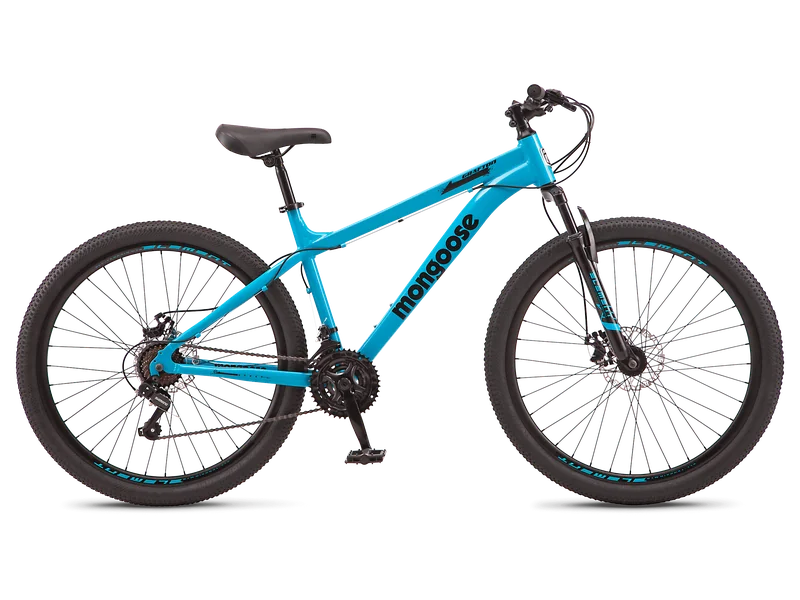 | Trail Hardtail | Wheel Size: 27.5 inches | Gear Count: 21-speed | Brake Type: Mechanical disc brakes | Read Our Analysis |
| Mongoose Dolomite Fat Tire Mountain Bike, 26-Inch | 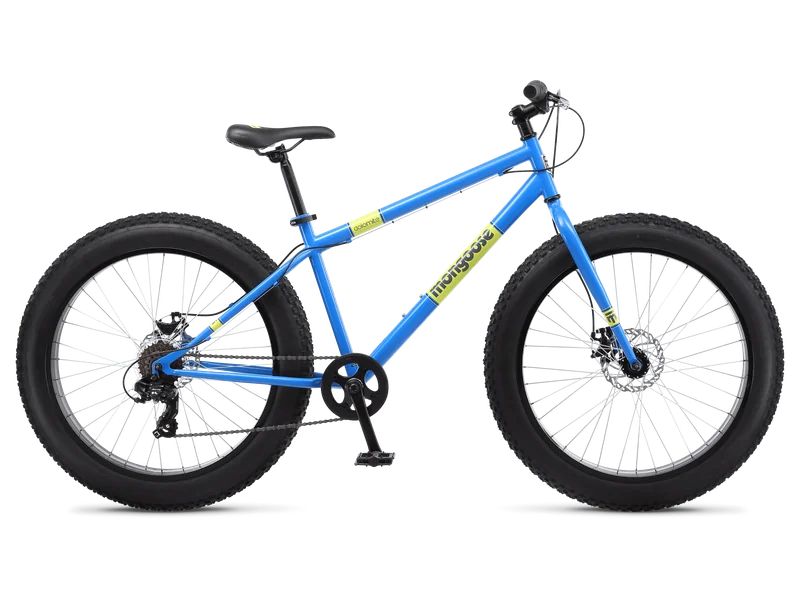 | Fat-Tire Traction | Wheel Size: 26 inches | Gear Count: 7-speed | Brake Type: Mechanical disc brakes | Read Our Analysis |
| Huffy Mountain Bike for Men and Women |
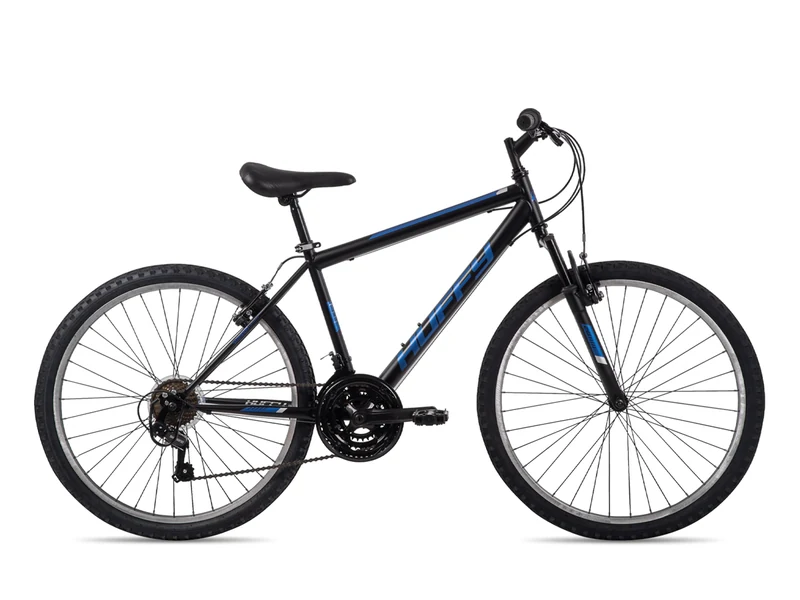
| All-Terrain Comfort | Wheel Size: 26 inches | Gear Count: 21-speed | Brake Type: Linear pull brakes | Read Our Analysis |
| Huffy North Peak 26-Inch Mountain Bike |
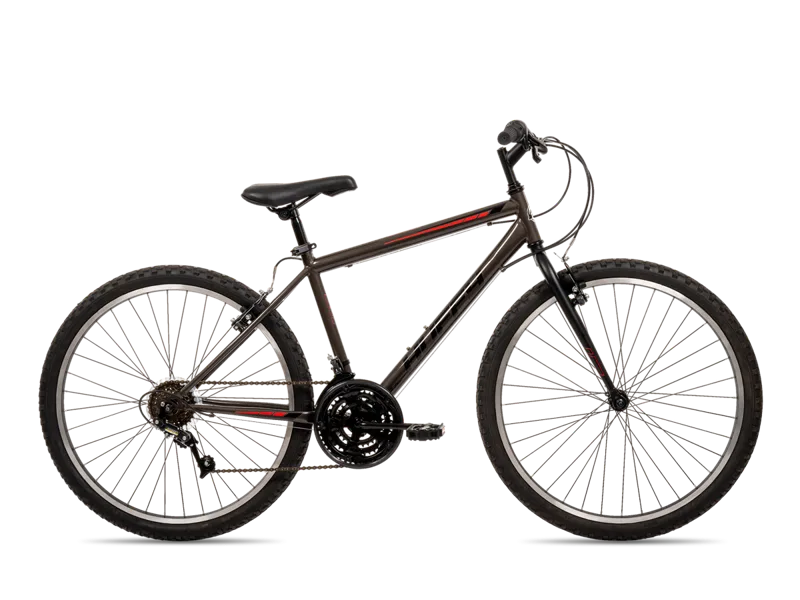
| Trail Ready | Wheel Size: 26 inches | Gear Count: 15-speed | Brake Type: Linear-pull brakes | Read Our Analysis |
| Mongoose Flatrock 26-Inch Mountain Bike | 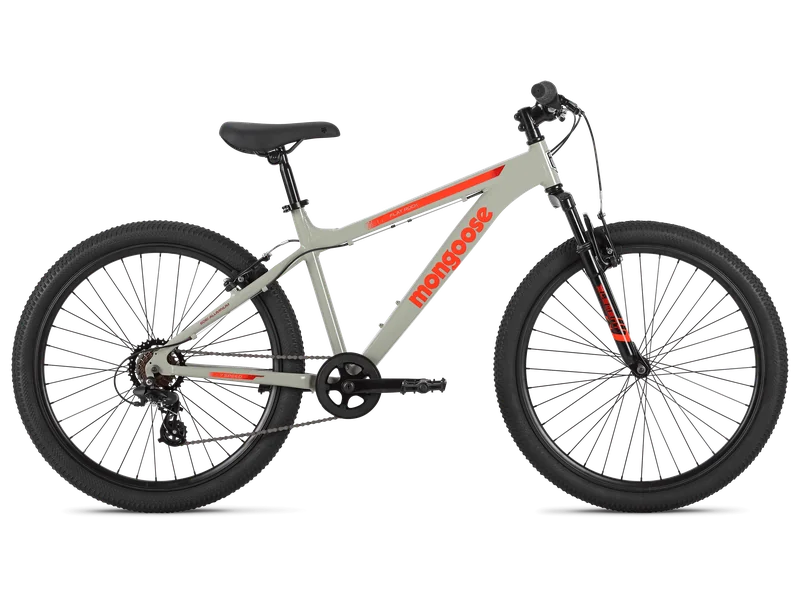 | Everyday Trail | Wheel Size: 26 inches | Gear Count: 7-speed | Brake Type: Linear pull brakes | Read Our Analysis |
More Details on Our Top Picks
Mongoose Grafton 27.5-Inch Mountain Bike
Trail Hardtail
The Grafton mountain bike by Mongoose is built for off-road riding, with a hardtail aluminum frame and a suspension fork.
It uses 21-speed trigger shifters and mechanical disc brakes for all-weather stopping power, and rolls on 2.3-inch wide knobby mountain tires. Double wall aluminum rims add strength without weighing the bike down.
The Grafton is designed for riders heading out on rugged trails rather than paved paths.
- Wheel Size:27.5 inches
- Gear Count:21-speed
- Brake Type:Mechanical disc brakes
- Frame Material:Aluminum
- Suspension Type:Element front suspension fork, 70 mm travel
- Assembly Required:No-Sweat Assembly
- Additional Feature:Trigger shifters
- Additional Feature:Double wall aluminum rims
- Additional Feature:2.3-inch knobby tires
Mongoose Dolomite Fat Tire Mountain Bike, 26-Inch
Fat-Tire Traction
The Dolomite is a fat-tire mountain bike built on a hi-ten steel frame, with 26-inch wheels and 4.0-inch wide tires.
The wide tires are made for traction and stability on loose or soft ground, while 7-speed twist shifters and mechanical disc brakes keep the ride controllable.
A 17-inch frame and aluminum rims round out the build.
- Wheel Size:26 inches
- Gear Count:7-speed
- Brake Type:Mechanical disc brakes
- Frame Material:Hi-ten steel
- Suspension Type:Rigid fork
- Assembly Required:No-Sweat Assembly
- Additional Feature:26 x 4.0-inch fat tires
- Additional Feature:7-speed twist shifters
- Additional Feature:Aluminum rims
Huffy Mountain Bike for Men and Women
All-Terrain Comfort
The Huffy Mountain Bike for Men and Women offers all-terrain comfort with a lightweight alloy steel frame and responsive 26-inch wheels. Designed to handle rough trails, uphill climbs, and daily rides, it features a front suspension fork that smooths out bumps and shocks.
With a 21-speed twist shifter, riders can easily switch gears to match terrain and riding style. The bike also includes dual linear pull brakes for reliable stopping power and an adjustable seat for a comfortable fit. Available in multiple colors, including a sleek matte black, it’s suitable for beginners and intermediate riders alike, making outdoor adventures more enjoyable and accessible.
- Wheel Size:26 inches
- Gear Count:21-speed
- Brake Type:Linear pull brakes
- Frame Material:Alloy steel
- Suspension Type:Front suspension fork
- Assembly Required:Not specified (likely assembled or minimal assembly)
- Additional Feature:Multiple size options
- Additional Feature:Limited lifetime warranty
- Additional Feature:Faux leather saddle
Huffy North Peak 26-Inch Mountain Bike
Trail Ready
Is the Huffy North Peak 26-Inch Mountain Bike the perfect trail-ready choice for budget-conscious riders? This bike offers a solid blend of durability, comfort, and versatility.
Its sturdy Hi-Ten steel frame ensures strength on rugged trails, while the 15-speed twist shifter makes shifting gears smooth and easy. The all-terrain knobby tires provide excellent grip on dirt, gravel, or pavement, giving riders confidence in various environments.
Plus, the front suspension helps absorb shocks, making rides more comfortable. With alloy rims, a padded saddle, and quick-release seat post, this bike is designed for all-day adventure without breaking the bank.
- Wheel Size:26 inches
- Gear Count:15-speed
- Brake Type:Linear-pull brakes
- Frame Material:Hi-Ten steel
- Suspension Type:Front suspension
- Assembly Required:Not requiring assembly
- Additional Feature:Hi-Ten steel frame
- Additional Feature:Slightly raised handlebar
- Additional Feature:15-speed twist shifter
Mongoose Flatrock 26-Inch Mountain Bike
Everyday Trail
The Flatrock is a hardtail mountain bike with a rigid aluminum frame and a 60 mm travel Element fork.
It uses a 1x7 drivetrain with LX shifters, front and rear linear pull brakes, and 26 x 2.3-inch tires on double wall aluminum rims.
Nylon flat pedals and a 17-inch frame complete the build.
- Wheel Size:26 inches
- Gear Count:7-speed
- Brake Type:Linear pull brakes
- Frame Material:Aluminum
- Suspension Type:Element front suspension fork, 60 mm travel
- Assembly Required:No-Sweat Assembly
- Additional Feature:Double wall aluminum rims
- Additional Feature:26 x 2.3-inch tires
- Additional Feature:LX 1x7 shifters
Factors to Consider When Choosing Affordable Mountain Bikes
When choosing an affordable mountain bike, it’s essential to take into account several key factors that can impact performance and comfort. These include how well the bike fits your budget, the quality of its frame material, and the type of suspension it offers to absorb shocks on rough trails.
Additionally, looking at the variety of gear systems and the effectiveness of the brakes will help ensure you find a bike that’s reliable and suited to your riding style.
Budget Compatibility
Choosing an affordable mountain bike doesn’t have to feel like an intimidating puzzle. Many bikes are advertised as 85% to 90% pre-assembled, which helps reduce extra shipping and setup costs—saving money and time. When comparing models, it’s smart to look at the overall weight and materials, like high-carbon steel versus aluminum, since these affect durability and how easy the bike is to handle.
Drivetrains with 7 to 21 speeds give riders more options for different terrains without a big price jump. Safety features like dual disc brakes or V-brakes are essential, offering reliable stopping power at lower costs. Lastly, checking the warranty period, such as one year, can help gauge long-term affordability and potential repair expenses, making sure the bike fits your budget now and later.
Frame Material Quality
Among the key factors to contemplate when selecting an affordable mountain bike, the frame material plays a crucial role in how the bike performs and lasts over time. The right material impacts stiffness, durability, and how the bike feels during rides. Common options include high-carbon steel and aluminum alloys.
Steel frames, especially high-carbon steel, tend to be strong and impact-resistant, making them a good choice for rough trails, but they can be heavier. Aluminum frames are lighter and often offer better handling and acceleration, which is helpful for climbing or quick maneuvers.
For budget bikes, Hi-Ten steel is a popular, affordable variant that’s durable but heavier. It’s essential to match the frame material with the components to ensure safety and long-term compatibility, especially on uneven terrains.
Suspension Type Options
Have you ever wondered how different suspension options can change your mountain biking experience? Suspension types significantly impact comfort, control, and overall ride quality. Dual suspension bikes have both front and rear shock absorbers, making rough terrains feel smoother and easier to handle.
Front suspension forks alone can reduce rider fatigue on bumpy trails, but they might not absorb as much shock as full setups. Some forks come with lock-out features, allowing riders to switch between a softer ride and a firmer position for climbs or paved sections. Full-suspension systems improve traction and stability during descents, especially on uneven terrain.
Budget-friendly options often pair 26-inch wheels with dual suspension, balancing affordability, weight, and off-road performance. These setups are ideal for those starting their mountain biking journey.
Gear System Variety
The variety of gear systems found on mountain bikes plays a big role in how well they perform on different terrains and how easy they are to ride. Bikes can feature anywhere from 7 to 21 gears, with more gears offering smoother shifts and better control on hills and uneven trails. Many affordable models use twist-grip shifters, allowing riders to change gears quickly with a simple turn of the wrist—ideal for those who want convenience.
Bikes with front and rear derailleurs provide a wider gear range, making it easier to tackle steep climbs or fast descents smoothly. Simpler options, like 7-speed systems, lower maintenance costs and are perfect for beginners or casual riders. Overall, choosing the right gear system depends on terrain, riding style, and how much complexity one is comfortable managing.
Brake Effectiveness
Ever wondered what makes a mountain bike stop quickly and safely, especially when riding through challenging terrain? The answer lies in its braking system. Bikes with disc brakes, especially dual disc setups, generally offer stronger, more reliable stopping power in wet or muddy conditions. These brakes work by squeezing brake pads against rotors, which helps dissipate heat and resist fade during long descents. Mechanical disc brakes are common and provide consistent performance, but they need more adjustments over time. Hydraulic disc brakes, while often pricier, deliver smoother, more powerful stops with less maintenance.
Factors like rotor size, pad material, and caliper design also influence braking effectiveness. Larger rotors and quality pads improve heat dissipation and control. Proper wheel alignment and tire grip are essential for maximizing braking efficiency.
Wheel Size Suitability
Choosing the right wheel size for an affordable mountain bike can feel like a bit of a balancing act. Smaller wheels, like 26 inches, are common on budget-friendly models, offering quick acceleration and a nimble feel—great for tight trails. However, they can result in a bumpier ride over rough terrain.
Larger wheels, such as 27.5 inches (also called 650B), provide a middle ground, blending maneuverability with better obstacle clearance. This makes them versatile for different terrains. Some bikes even offer compatibility with multiple wheel sizes, allowing riders to customize based on terrain and height.
Tire width also plays a role. Wider tires on the same wheel size improve grip and stability, especially on loose surfaces. Ultimately, matching wheel size to riding style and terrain helps ensure a smoother, more enjoyable experience.
Assembly Ease
Have you ever wondered how much effort it takes to put together a mountain bike straight out of the box? Many affordable models arrive 85–90 percent assembled, meaning you’ll need to attach parts like the front wheel, handlebars, pedals, and seat, along with inflating the tires. Fortunately, most bikes are designed to be user-friendly, with setup times averaging around 15–20 minutes when using basic tools.
Some models feature quick-adjust or quick-release seat posts, making height changes easy. Manufacturers usually include detailed instructions or online videos to guide beginners through the process. However, new riders might need to fine-tune brake and derailleur adjustments afterward to ensure smooth shifting and reliable braking. Overall, assembly ease is a key factor in making mountain biking accessible for everyone.
Durability and Longevity
What really makes a mountain bike last through tough trails and years of use? A sturdy frame is key, especially one made from high-carbon or alloy steel, which resists bending or breaking under rough conditions. Dual suspension systems, with both front and rear shocks, help absorb impacts, reducing stress on parts and extending the bike’s life.
Heavier wheels and reinforced tires are great for rugged terrain, though they can add weight, so balance is important. Reliable brakes, like mechanical disc brakes, provide consistent stopping power, decreasing wear on components from hard braking.
Also, many bikes arrive mostly assembled, but proper setup, such as aligning wheels and tightening parts, is essential for durability. Overall, choosing quality materials and ensuring correct assembly go a long way in making a mountain bike last.
Frequently Asked Questions
What Is the Average Lifespan of an Affordable Mountain Bike?
The average lifespan of an affordable mountain bike typically ranges from 3 to 7 years. This depends on factors such as maintenance, frequency of use, terrain, and the quality of components.
With proper care, its functional life can be extended, allowing the bike to remain in good condition for a longer period.
How Often Should I Perform Maintenance on a Budget Mountain Bike?
Coincidentally, routine maintenance for a budget mountain bike should be performed every 1 to 3 months, depending on usage. Regular inspections of tires, brakes, and drivetrain help guarantee safety, longevity, and optimal performance without significant expense.
Performing maintenance regularly ensures that your bike stays in good condition and functions properly. It also helps you catch potential issues early before they become costly repairs. By sticking to a maintenance schedule, you can enjoy a smooth and safe riding experience without breaking the bank.
Are There Eco-Friendly Options for Affordable Mountain Bikes?
Eco-friendly options for affordable mountain bikes include models with recycled materials, sustainable manufacturing processes, and eco-conscious brands. These bikes often emphasize durability and low environmental impact, making them suitable choices for environmentally aware cyclists on a budget.
Can These Bikes Handle Steep, Technical Trails Effectively?
Affordable mountain bikes can handle steep, technical trails effectively if equipped with durable components, appropriate suspension, and reliable tires.
However, their performance may vary, and higher-end models generally provide better control and stability on challenging terrains.
What Are Common Signs That a Mountain Bike Needs Replacing?
Signs indicating a mountain bike needs replacing include significant frame damage, persistent and unrepairable mechanical issues, worn-out components, poor shifting performance, excessive rust or corrosion, and an inability to safely handle current riding conditions.
Maintaining your bike is essential for safe riding, but when these signs appear, it may be time to consider a replacement. Regular inspections can help identify these issues early, ensuring you stay safe on the trails.