

Our Top Board Game Picks
| HUES and CUES Color Guessing Board Game |
| Creative Thinker | Player Range: 3–10 players | Estimated Playtime: About 30 minutes | Age Range: 8+ | View details | Read Our Analysis |
| Brass Monkey Drawing From Memory Game |
| Drawing Challenge | Drawing party game | Players: 2–8 | Ages 12+ | View details | Read Our Analysis |
| Goose Grease Gallery Game |
| Strategic Play | Players: 2–4 | About 45 minutes | Strategy and chance | View details | Read Our Analysis |
| World's Smallest Bananagrams |
| Classic Word | Miniature word game | 144 tiles | Ages 8+ | View details | Read Our Analysis |
| PlayMonster Marshmallow Madness Party Game |
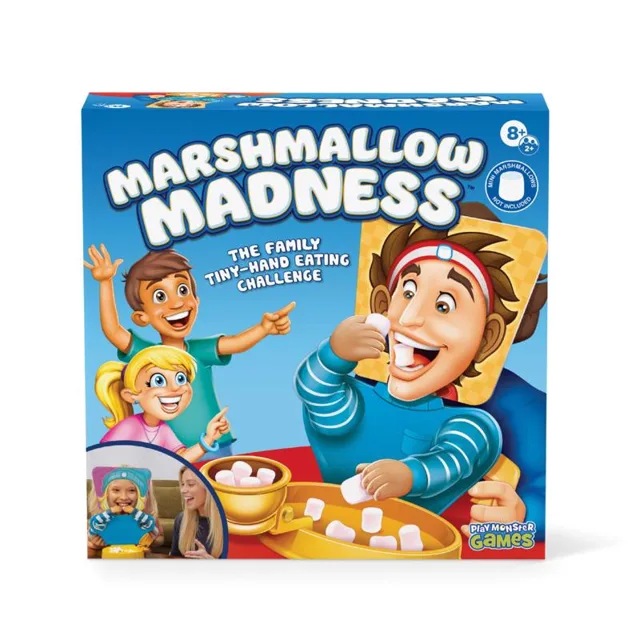
| Party Sprint | 60-second rounds | Ages 8+ | Marshmallows needed | View details | Read Our Analysis |
| UNO Card Game |
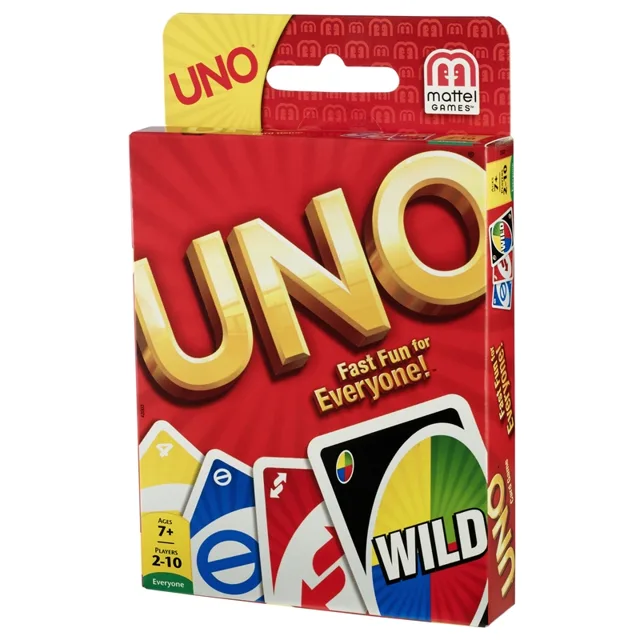
| Family Classic | Players: 2–10 | Ages 7+ | Score to 500 | View details | Read Our Analysis |
More Details on Our Top Picks
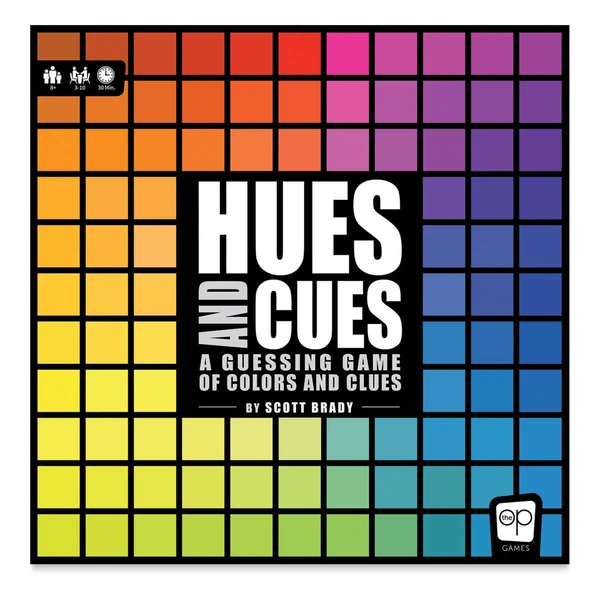
HUES and CUES Color Guessing Board Game
Designed for creative thinkers aged 8 and up, HUES and CUES offers a vibrant twist on traditional guessing games. This colorful game combines quick thinking with artistic flair, featuring 480 color squares that challenge players to connect words to hues.
Using one- or two-word clues, teams race to identify target shades, earning points based on accuracy. With a fast-paced, easy-to-learn setup, each game sparks imagination and lively interaction. The components, including a game board, color cards, and player pieces, are simple to assemble and store.
Ideal for family nights or casual gatherings, HUES and CUES encourages creative problem-solving and communication in a fun, engaging way.
- Player Range:3–10 players
- Estimated Playtime:About 30 minutes
- Age Range:8+
- Core Activity Type:Color guessing
- Portability:Portable
- Material Type:Paper, cardboard
- Additional Feature:480 color squares
- Additional Feature:Creative color clues
- Additional Feature:Scoring frame included
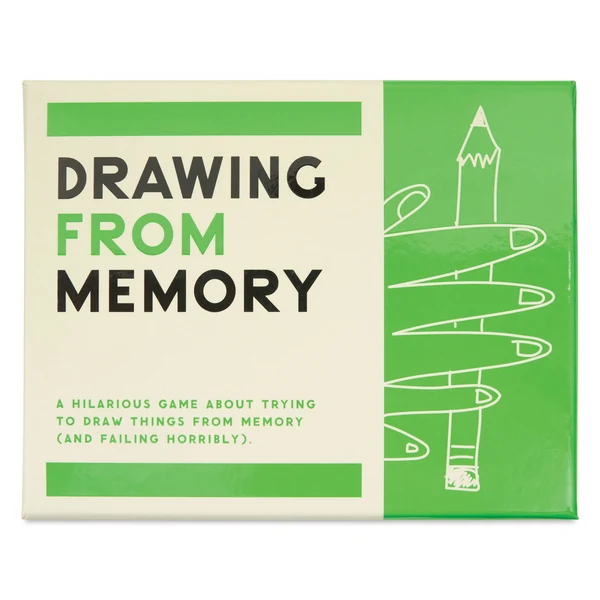
Brass Monkey Drawing From Memory Game
Players draw familiar subjects from memory before the judging criteria are revealed.
- Drawing party game
- Players: 2–8
- Ages 12+
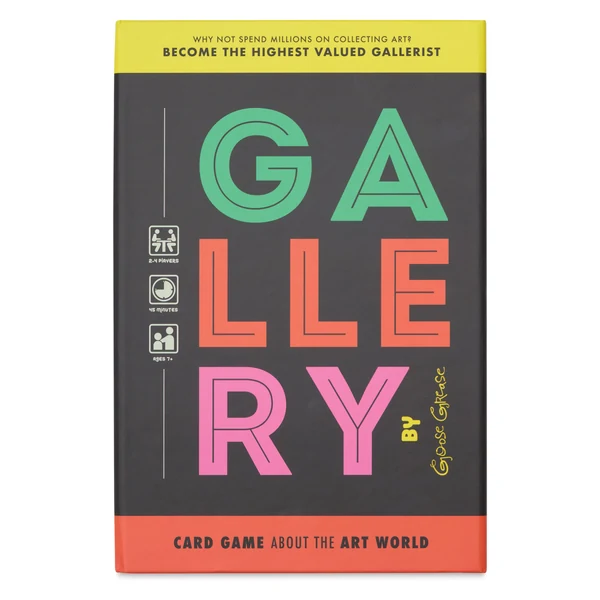
Goose Grease Gallery Game
A strategy and chance card game about collecting and dealing art.
- Players: 2–4
- About 45 minutes
- Strategy and chance
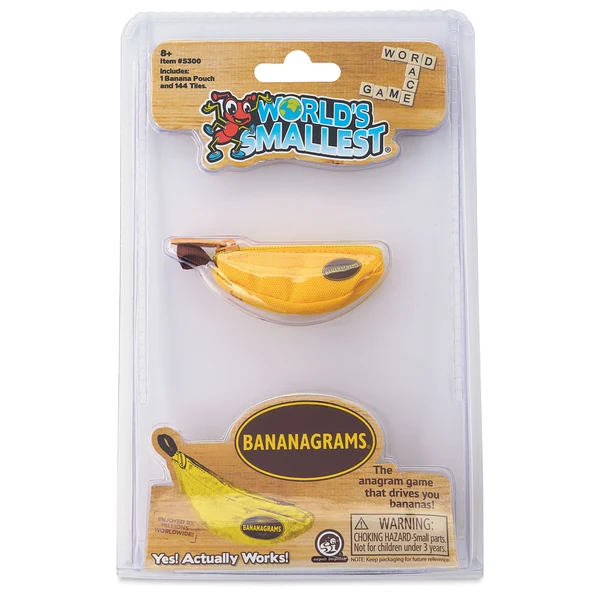
World's Smallest Bananagrams
A miniature word-tile game with 144 tiles.
- Miniature word game
- 144 tiles
- Ages 8+
PlayMonster Marshmallow Madness Party Game
Marshmallow Madness turns a bag of mini marshmallows into a race. Each round runs for 60 seconds and the aim is to eat as many as you can before the timer runs out, which is about as simple as a party game gets. The box supplies the parts that make it a game rather than a dare: a tiny hand figure to assemble, an illustrated face plate to pose behind while you race, a sand timer and the instructions.
PlayMonster rates it for ages 8 and up, and it works best with a group that wants something loud and quick between longer games. It does need a bag of marshmallows on hand, so it is a game to plan for rather than one you can open cold.
- Party game
- Ages 8+
- 60-second rounds
- Sand timer included
UNO Card Game
UNO needs little introduction, but the shape of the game is worth stating: four suits of 25 cards plus eight wild cards, and the first player to empty their hand takes the round. Points come from the cards left in other players' hands, and the standard game runs to 500.
Mattel rates it for ages 7 and up and it plays with two people or ten, with two-handed, partner and tournament options set out in the rules. That range is why it still earns a place in a teen list: it is the game to reach for when the group is mixed ages and nobody wants to learn rules first.
- Card game
- Players: 2–10
- Ages 7+
- Wild cards included
Factors to Consider When Choosing Board Games for Teens
When choosing the right board game for teens, several important factors come into play. For instance, age appropriateness guarantees the game matches their developmental level, while gameplay complexity can keep things challenging or simple depending on their preferences.
Additionally, considering social interaction, themes they relate to, and how easy it is to carry and store the game can make the experience more enjoyable and practical.
Age Appropriateness
Determining whether a board game is suitable for teenagers involves more than just checking the box for a certain age range. It’s important to look for games recommended for ages 13 and up, ensuring the content and difficulty match teen players. Minimum age guidance can help confirm if a game is appropriate for younger teens, such as those aged 13 or 14.
Additionally, the game’s complexity should align with teen cognitive and strategic development, offering enough challenge without being overwhelming. It’s also wise to verify the number of players the game supports—many popular teen games accommodate four or more players, up to eight or even ten.
Finally, consider content cues like themes, humor, or references, making sure they resonate with or are suitable for teens rather than younger children.
Gameplay Complexity
Have you ever wondered how to find a game that’s just the right mix of challenge and fun for teens? Balancing gameplay complexity is key. Teens often enjoy games that combine quick-to-learn rules with deep tactical options, like bluffing or multi-step decisions. Moderate to high complexity keeps them engaged without feeling overwhelming, especially when games include strategy, resource management, or layered mechanics like action cards or scoring variants. These features allow players to develop their skills gradually.
Additionally, adjustable difficulty levels, such as shorter versions or team play, help tailor the challenge to individual skills. This flexibility ensures the game remains accessible yet stimulating, encouraging teens to think critically and plan ahead while still having fun.
Social Interaction Level
Social interaction plays a vital role in choosing the right board game for teenagers, as many teens thrive on connection and lively communication during play. Games that feature party-style or team-based formats encourage social bonding, quick rounds, and friendly banter, making the experience more engaging. Cooperative games with shared goals or rotating judges promote group discussion and inclusivity, helping everyone feel involved.
Competitive games that reward strategic talking, bluffing, or rapid responses heighten peer interaction and excitement. Word- and clue-based games naturally foster ongoing conversation, as players discuss possibilities and tease each other. Additionally, games with simple rules and short playtimes, around 15 to 30 minutes, keep energy high and conversations flowing. This ensures that social interaction remains fun and lively throughout the game session.
Theme Relevance
When choosing a board game for teenagers, the theme can make all the difference in capturing their interest and encouraging ongoing engagement. Themes that align with current pop culture, memes, and social trends tend to resonate more strongly, making the game feel relevant and exciting. Age-appropriate themes featuring humor, collaboration, or friendly competition help maintain interest without seeming childish.
Recognizable motifs like vivid characters, trending jargon, or familiar scenarios—such as social gatherings or group challenges—boost motivation to learn and play. Additionally, a flexible theme that evolves from casual fun to more strategic gameplay can keep teens invested as their skills grow.
Ultimately, a well-chosen theme creates an immersive experience, making the game feel personalized and more appealing.
Portability & Storage
Choosing a board game for teenagers isn’t just about the rules or theme; how easy it is to carry and store also plays a big role. Compact, foldable boards or small card-based games help reduce bulk, making transportation between school, friends, and activities simpler. Lighter components like cardboard cards and small tokens keep the game portable and less of a hassle to pack in bags.
Quick setup and short playtimes, around 15 to 30 minutes, are ideal for fitting into busy teen schedules. Additionally, games with single-unit packaging or minimal assembly help save space and time. A durable storage solution, such as a carry box, integrated sleeve, or folding board, ensures small pieces stay safe during travel. These features make gaming more convenient and enjoyable on the go.
Frequently Asked Questions
What Are the Latest Trending Board Games for Teens in 2026?
There is no single definitive list for the year; new titles appear through the year and taste varies from group to group. The six games above cover word play, drawing, colour guessing, strategy and quick party rounds, so there is a starting point whatever kind of game your group prefers.
How Do I Choose Age-Appropriate Board Games for Teenagers?
To select age-appropriate board games for teenagers, consider their interests, maturity levels, and game complexity. Review age recommendations on packaging and read reviews.
Ensure the content aligns with their social and developmental needs. This approach helps in choosing games that are both fun and suitable for their age and growth stage.
Which Games Promote Teamwork and Social Skills for Teens?
Cooperative games promote teamwork and social skills for teens, fostering communication, problem-solving, and collaboration. Team formats do the same job in a lighter way: in HUES and CUES, players give one- or two-word clues and their team has to read the colour from them, which only works if everyone talks and listens. The clue-giving and guessing in the other picks on this list encourage the same kind of table talk.
These games enhance interpersonal development and group cohesion by requiring players to work together towards common objectives. They provide opportunities for teens to practice effective communication, build trust, and develop problem-solving skills in a fun and engaging environment.
Are There Eco-Friendly or Sustainable Board Games for Teens?
Eco-friendly board games for teens include options made from recycled materials, sustainable wood, or biodegradable components. These games promote environmental awareness, combining fun with eco-consciousness. They are increasingly available through specialty retailers and online platforms.
What Are Some Innovative Game Formats Emerging in 2026?
In 2026, innovative game formats include augmented reality-based experiences, hybrid digital-physical games, eco-conscious materials, customizable modular boards, and narrative-driven story games that integrate social issues. These developments are enhancing engagement and educational value for teen players.