

Exploring new knitting ideas can seem intimidating, but inspiration often comes from unexpected sources. From Pinterest mood boards to street style photos, there are countless ways to spark creativity. Textures, fabrics, and personal stories add depth to designs. Whether experimenting with fiber types or collaborating with others, each step offers fresh perspectives. With so many approaches, the challenge becomes finding what truly resonates—and that’s where your next project begins, waiting to unfold.
1. Discover Inspiration From Pinterest for Knitting Ideas
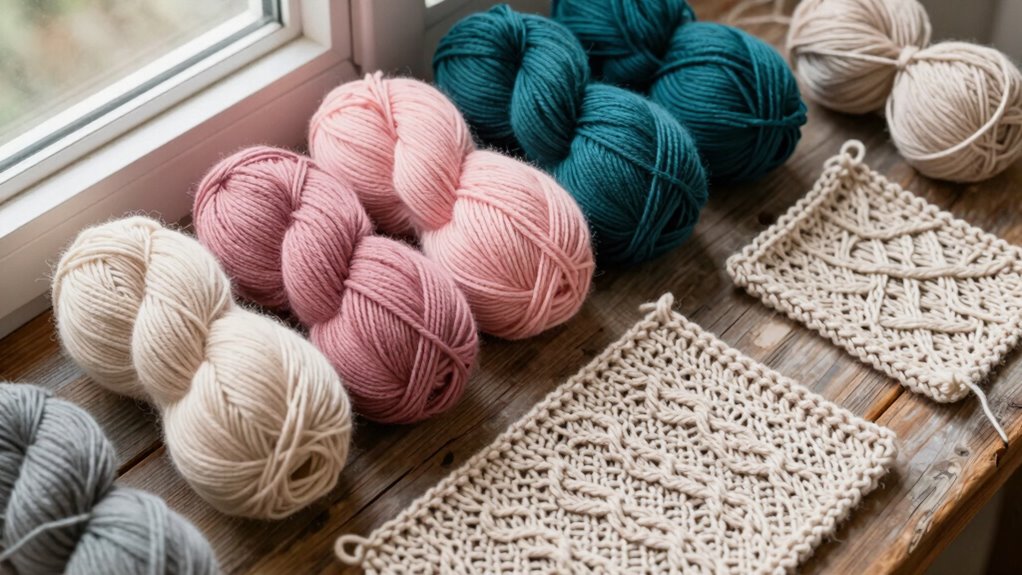
Ever wondered how many inspiring knitting ideas can come from just browsing Pinterest? This platform is a treasure trove for knitting inspiration, allowing users to gather diverse visuals that spark creativity. By creating mood boards, knitters can compile images showcasing different stitch textures, colors, and silhouettes—all without a fixed theme at first.
These collections help identify recurring patterns or unique stitch textures that could translate into new knitting projects. Pinterest also suggests related images based on what’s pinned, broadening the scope of ideas. Exploring external sources and combining unrelated visuals encourage innovative design concepts.
Ultimately, mapping trends and noting specific elements like stitch textures provide a clear foundation for developing fresh, personalized knitting patterns. Making Pinterest an essential starting point for any knitting enthusiast.
2. Capture Street Style and Personal Encounters for Unique Designs

What can everyday street style tell a knitter about creating unique designs? Observing street style reveals silhouettes, textures, and stitch placements that inspire knitwear. For example, a layered look with a chunky cardigan can translate into cozy, textured stitches. Photographing outfits (with permission) helps capture proportions and details to sketch later, preserving fleeting ideas.
Quick sketches from street encounters help solidify concepts before they fade, forming a foundation for future patterns. Recognizing favorite cardigan silhouettes or color combinations from personal wardrobe notes offers tailored inspiration. Translating these visual cues into knitting involves selecting elements like color, texture, and structure—rather than copying exact patterns.
To visualize, consider this table:
| Street Style Idea | Sketch Inspiration | Cardigan Silhouette |
|---|---|---|
| Oversized wool coat | Loose, flowing lines | Relaxed fit |
| Bright color pop | Bold strokes | Cropped style |
| Layered textures | Patterned stitches | Longline cardigan |
| Vintage patterns | Retro details | Classic button-up |
| Minimalist look | Clean lines | Fitted silhouette |
3. Explore Books and Visual Media to Spark Creativity

Have books and visual media ever sparked a new idea for a knitting project? They can be a treasure trove of inspiration for cozy knits, offering more than just images. Coffee table books, for example, present rich imagery and descriptive prose that ignite design prompts—whether it’s a textured pattern or a motif inspired by nature or architecture. Browsing libraries or flipping through art books can be a relaxing way to discover new ideas without pressure.
To deepen this inspiration, consider:
- Observing details in photographs or illustrations that suggest textures or stitches.
- Sketching ideas inspired by visual references to shape your project.
- Reading descriptive passages to evoke moods or themes for your knitwear.
These steps help translate inspiration into beautiful, original designs.
4. Use Textiles and Fabric Textures as Design Cues

Textiles and fabric textures found in everyday home items can serve as a rich source of inspiration for knitting projects. For example, a plush blanket’s softness can inspire cozy sweaters, while a woven rug’s intricate pattern may translate into a detailed cardigan pattern. Handwoven fabrics highlight texture and structure, guiding choices in free knitting stitches like ribbing or relief patterns, which mimic woven effects. Printed fabrics, such as cushion covers, can inspire repeating stitch motifs that add visual interest. Additionally, fabric characteristics like drape and fiber content influence stitch selection and overall pattern design.
To bring these cues into knitting, knitters might experiment with different textures and stitch densities, creating pieces that echo the comfort and style of familiar textiles. The table below summarizes various textile types, their inspirations, and suitable stitch choices:
| Textile Type | Inspiration | Stitch Choice |
|---|---|---|
| Woven fabric | Texture & structure | Relief & ribbing |
| Printed textile | Pattern & motif | Repeating stitches |
| Plush fabric | Softness & volume | Cozy stitches |
| Sheer fabric | Drape & lightness | Openwork stitches |
5. Draw Inspiration From Tiling, Patterns, and Ready-To-Wear Fashion

Could the rhythmic repetition and bold patterns found in tiling inspire new directions in knitting design? Absolutely. Tiling offers a treasure trove of ideas—think vibrant colors, geometric shapes, and textures—that can spark fresh motifs. Exploring how these patterns move across surfaces can lead to innovative stitches, even if the final piece isn’t a perfect replica.
Ready-to-wear fashion also provides valuable cues. The silhouettes and shapes, like oversized sweaters or fitted jackets, help inform garment structure. Design details such as ruffles, pleats, or paneling add visual interest. Textures and finishes—from smooth fabrics to textured layers—guide how a knit can feel and look.
6. Incorporate Personal Wardrobes and People’s Style Preferences

When designing a knitted piece, paying close attention to a person’s wardrobe and personal style preferences can make all the difference. It helps ensure the finished item will be both functional and loved. For example, if someone prefers soft, neutral colors and cozy textures, choosing gentle hues and plush yarns makes sense. Sketching or swatching ideas inspired by their wardrobe can help visualize how the pattern and fit will suit their taste.
Considering their lifestyle is also key. Work-appropriate knits should look polished, while weekend wear can be more relaxed and playful. Translating a favorite silhouette or texture into a custom pattern adds a personal touch. By evaluating wardrobe gaps, knitters can select yarns, gauge, and sizes that match the recipient’s typical outfits perfectly.
7. Let Yarn and Material Properties Guide Your Design Choices

Yarn and material properties serve as a helpful guide in shaping knitting design choices, as they offer valuable clues about how a finished piece will look and feel. Understanding these properties can help knitters select the right yarn for their project’s purpose. For example:
- Fiber content influences the garment’s function: wool offers warmth and memory, cotton provides drape and breathability, while acrylic is budget-friendly.
- Yarn weight determines project size and stitch complexity: jumbo yarn creates large, bold pieces, while lace weight is perfect for delicate patterns.
- Swatching reveals how different yarns behave with various stitches, showing texture, elasticity, and gauge. This helps knitters choose the best pattern for their project.
8. Embrace Open-Minded and Emotional Sources of Inspiration

Have you ever noticed how a feeling or a mood can spark a whole new idea for knitting? Emotions and moods are powerful sources of inspiration because they can influence choices in texture, color, or silhouette. For example, a calm, peaceful mood might inspire soft, muted tones and gentle textures, while excitement could lead to bold colors and dynamic patterns. Geometric tiling or personal memories can serve as prompts, encouraging knitters to translate abstract ideas into stitch patterns.
The key is to explore freely, avoiding self-imposed limits—whether that’s experimenting with unusual color pairings or unusual textures. Identifying what genuinely moves you, like a rhythmic pattern or a particular color combo, can help translate feelings into tangible design elements, creating pieces that resonate emotionally.
9. Connect and Collaborate With the Knitting Community for Fresh Ideas

Ever wonder how the knitting community sparks new creative ideas? Connecting and collaborating with others opens a world of inspiration. Sharing sources like favorite patterns, books, or personal experiences in comments fosters a sense of belonging and mutual growth. Engaging in community activities, such as discussions, challenges, and shared projects, can ignite fresh design concepts.
Collective input from diverse knitters helps uncover unique perspectives and innovative ideas that might not emerge alone. By contributing personal sources and supporting each other, knitters build a rich knowledge base. This ongoing exchange encourages experimentation and confidence, fueling creativity.
Ultimately, the community’s warmth and shared enthusiasm make the journey of discovering new knitting ideas exciting and rewarding for everyone involved.